Tuxedo
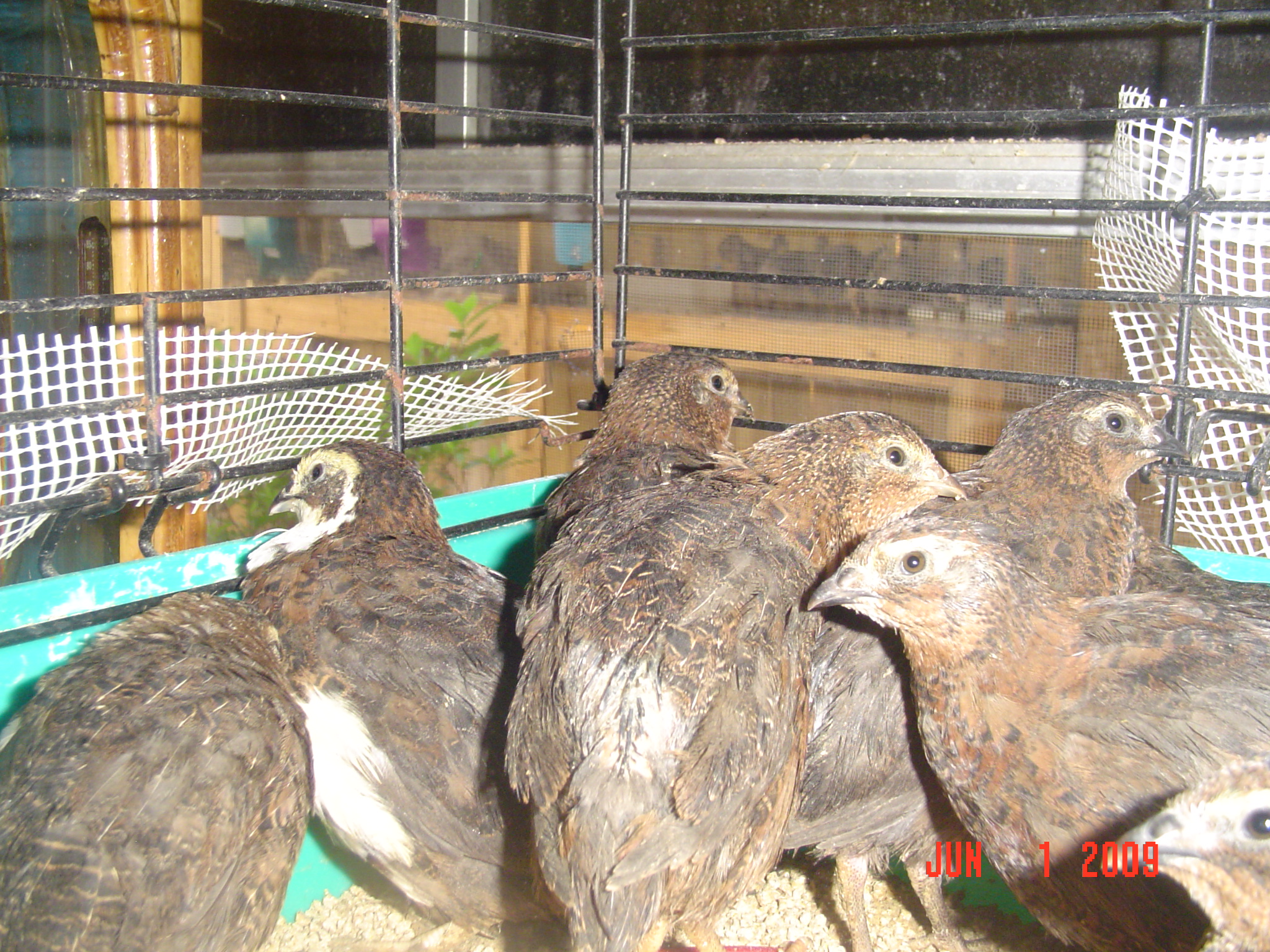
A bird with a smart white waistcoat to contrast with its dark brown overcoat. The two-color pied pattern is the result of a crossing between the dominant dark brown and recessive white genes.
The color of the back feathers is the same with those of the Range, while the white plumage is like that of the English White. The markings are often variable. The ideal ones are clear white face, chest and belly, with dark brown back, tail and crown. In good specimens, the brown and white feathering is neatly demarcated, but it is common to find patches of white where the brown should be, and vice versa.
Most people that breed tuxedos keep a Tibetan male with A&M females, or A&M male with Tibetan females. This combination will give almost 100% tuxedo chicks. The Tibetan color is incomplete dominant, so that's how the tuxedo comes about.
So if all are tuxedos (Tibetan X A&M), the color of the chicks would depend on what they get from the parents. So if they get 1 gene for Tibetan, and one for A&M, they would be tuxedo. If they get 2 Tibetan genes, they would be Tibetan, and if they get 2 A&M genes, they would be A&M.
We get a mix on our Tuxedo's, with many black but do produce red also.